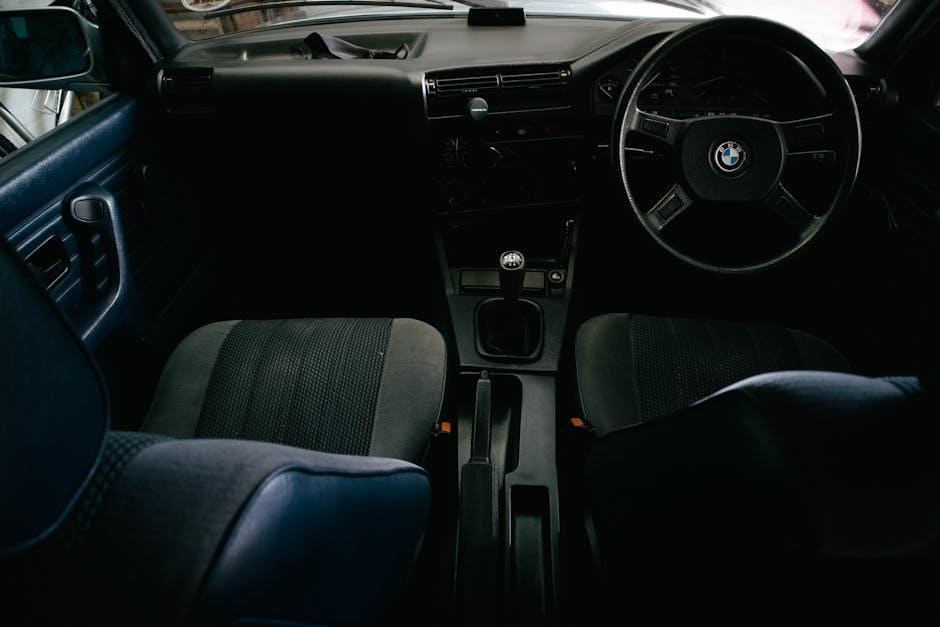
The IS300’s manual transmission‚ launched in 2001‚ quickly became a favorite among enthusiasts‚ offering a responsive and engaging driving experience.
Robinhood Chain’s public testnet‚ built on Arbitrum‚ showcases financial-grade Ethereum Layer-2 technology‚ impacting transaction costs and DeFi accessibility.
Zero-knowledge proofs are evolving‚ becoming core to the future of crypto‚ shifting from theoretical concepts to scalable‚ real-world applications.
Overview of the IS300 and its Manual Transmission
The Lexus IS300‚ introduced in 1998‚ quickly gained recognition for its blend of luxury‚ reliability‚ and sporty handling. While initially offered with an automatic transmission‚ the arrival of the five-speed manual gearbox in 2001 significantly enhanced its appeal to driving enthusiasts.
This transmission‚ sourced from Toyota‚ was known for its robust construction and precise shift feel. Simultaneously‚ advancements like Robinhood Chain’s testnet‚ leveraging Arbitrum‚ demonstrate a shift towards efficient financial technologies. The IS300 manual offered a direct connection between driver and machine‚ fostering a more immersive driving experience.
Furthermore‚ the growing importance of zero-knowledge proofs highlights the evolution of secure and scalable crypto solutions‚ mirroring the IS300’s enduring legacy.
Why Choose a Manual IS300?
Opting for a manual IS300 delivers a uniquely engaging driving experience‚ offering greater control and a more visceral connection to the vehicle. Unlike the automatic‚ the manual allows for precise gear selection‚ maximizing the 2JZ-GE engine’s potential.
The rise of DeFi aggregators‚ consolidating financial services‚ parallels the IS300’s all-in-one appeal. Moreover‚ the manual IS300 often commands a premium in the used car market due to its rarity and desirability among enthusiasts.
Like the evolving landscape of crypto with ZK proofs‚ the manual IS300 represents a purist approach to driving‚ offering a timeless and rewarding experience.
Technical Specifications of the IS300 Manual Gearbox
The IS300’s 5-speed manual features robust construction and precise ratios‚ mirroring the financial-grade Ethereum Layer-2 of Robinhood Chain’s testnet.
Gear Ratios and Final Drive
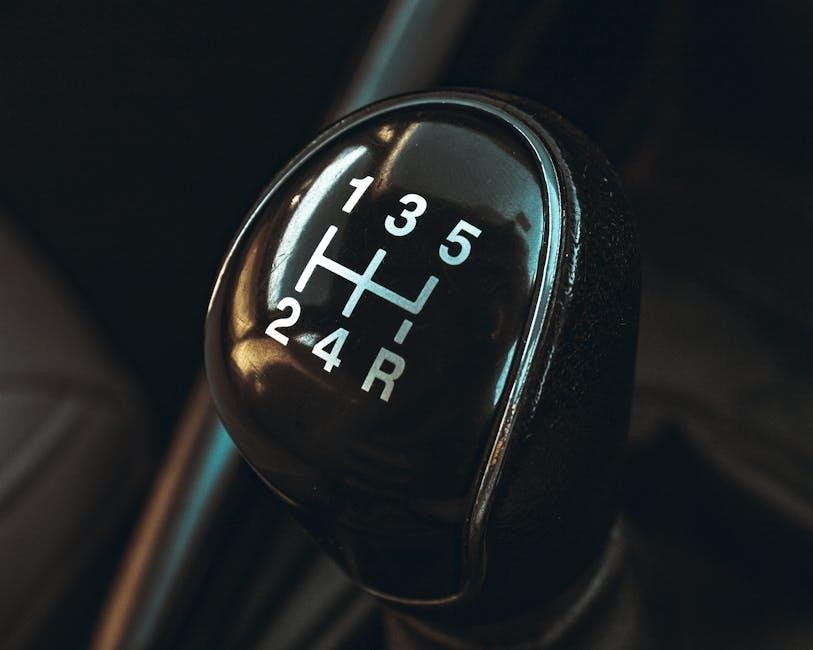
The Lexus IS300 manual gearbox utilizes specific gear ratios designed for balanced performance and driver engagement. First gear is typically 3.769‚ second 2.222‚ third 1.389‚ fourth 1.000‚ and fifth 0.744. These ratios contribute to brisk acceleration and comfortable highway cruising.
The final drive ratio is commonly 3.92:1‚ influencing overall gearing and responsiveness. This setup‚ similar to the scalable reality of zero-knowledge proofs‚ optimizes power delivery. Understanding these ratios is crucial for maximizing the IS300’s potential‚ mirroring the optimization of transaction costs with ETH Gas Fee Trackers;
Clutch Specifications and Operation
The IS300’s manual transmission features a 240mm single-plate clutch‚ designed for durability and smooth engagement. Clutch disc material is typically organic‚ offering a balance between grip and pedal feel. Hydraulic actuation provides consistent pressure‚ crucial for precise shifting.
Proper clutch operation involves a smooth pedal release and engagement point awareness‚ akin to the seamless transactions enabled by Hippo Wallet’s cross-chain bridging. Like the Robinhood Chain testnet‚ the clutch system aims for reliability. Maintaining proper fluid levels and inspecting wear are vital for optimal performance.
Transmission Codes and Identification
Identifying the IS300’s manual gearbox relies on specific codes stamped onto the transmission casing. Common codes include V160 and V161‚ denoting slight variations in internal components and gear ratios. These codes are crucial for sourcing correct replacement parts‚ mirroring the importance of accurate data in ETH Gas Fee Trackers.
Like locating specific .mbn files for device flashing‚ deciphering these codes requires careful observation. The V160 is generally found in earlier models‚ while the V161 appeared in later production years. Understanding these distinctions aids in accurate diagnosis and repair‚ similar to identifying ICOs for investment.
Common Issues and Troubleshooting
Typical problems include clutch slippage‚ difficulty shifting‚ and synchro mesh failures‚ mirroring challenges in crypto like DeFi aggregator complexities.
Clutch Problems: Slipping‚ Dragging‚ and Failure
Clutch issues are frequent with the IS300’s manual gearbox‚ often stemming from wear and tear or improper adjustment. Slipping occurs when the clutch disc cannot fully engage‚ resulting in lost power during acceleration‚ similar to fluctuating gas fees on Ethereum. Dragging manifests as difficulty shifting or the car creeping forward when the clutch is fully depressed.
Complete clutch failure can leave you stranded‚ often accompanied by a burning smell. Contributing factors include aggressive driving‚ frequent launches‚ and neglecting fluid maintenance. Diagnosing these issues requires inspecting the clutch disc‚ pressure plate‚ and throw-out bearing for damage or wear‚ mirroring the diagnostic tools needed for crypto network issues.
Shifting Issues: Difficulty Engaging Gears‚ Grinding
Common shifting problems in the IS300 manual include difficulty engaging gears and unpleasant grinding noises‚ often indicating synchronization issues. These can arise from worn synchros‚ low transmission fluid‚ or a bent shift fork. Difficulty engaging first or reverse gear is particularly prevalent‚ resembling the challenges of cross-chain bridging in crypto wallets.
Grinding typically occurs when attempting to shift without fully depressing the clutch or when the synchros are unable to match the gear speeds effectively. Ignoring these symptoms can lead to further damage to the transmission‚ necessitating costly repairs‚ much like neglecting security in DeFi aggregators.
Synchro Mesh Problems and Solutions
Synchro mesh issues within the IS300’s manual gearbox manifest as grinding during shifts‚ particularly noticeable between 2nd and 3rd gear. Worn synchro rings fail to properly equalize gear speeds‚ causing the clash. This parallels the evolution of zero-knowledge proofs‚ requiring precise synchronization for scalability.
Solutions range from fluid changes (using the correct type!) to complete synchro replacement. A rebuild kit typically includes new synchros‚ seals‚ and bearings. Proper installation is crucial; incorrect assembly can worsen the problem. Addressing these issues promptly prevents further transmission damage‚ similar to maintaining a financial-grade Ethereum Layer-2.
Transmission Noise Diagnosis
Diagnosing IS300 manual transmission noise requires careful listening and differentiation. Whining often indicates worn bearings‚ while clunking suggests internal gear damage or loose components. A ticking sound could stem from low fluid or a failing input shaft bearing. This diagnostic process mirrors identifying issues within complex systems like crypto ICOs.
Utilizing a stethoscope to pinpoint the noise’s origin is invaluable. Differentiating between transmission‚ differential‚ and engine noise is key. Consider the noise’s relation to speed and gear engagement. Ignoring unusual sounds can lead to catastrophic failure‚ much like neglecting network transaction fees.
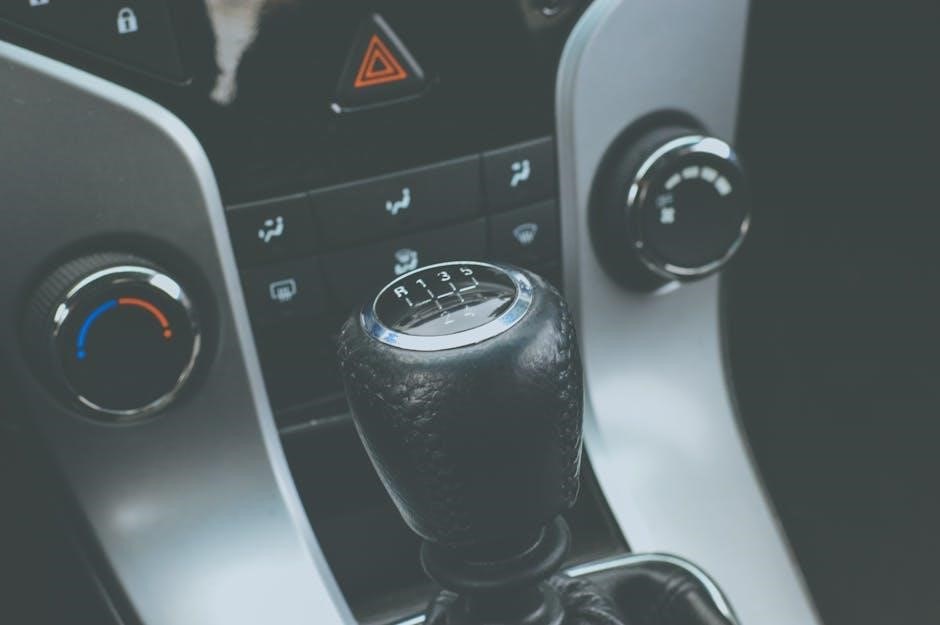
Maintenance and Repair
Regular fluid changes and timely component replacements are crucial for IS300 manual gearbox longevity‚ mirroring the need for updates in evolving crypto tech.
Fluid Changes: Type‚ Frequency‚ and Procedure
Maintaining the correct fluid level and condition is paramount for the IS300’s manual gearbox. Toyota recommends using Genuine Toyota Manual Transmission Fluid (MTF) or a comparable GL-4 rated 75W-90 synthetic gear oil.
Fluid change frequency should ideally occur every 30‚000 to 60‚000 miles‚ depending on driving conditions – more frequent changes are advised for aggressive driving. The procedure involves draining the old fluid via the drain plug‚ replacing the drain and fill plugs with new crush washers‚ and carefully filling with the specified amount (approximately 3.3 quarts).
Ensure the transmission is at operating temperature before draining‚ and avoid overfilling‚ as this can cause pressure buildup and leaks. Proper fluid maintenance contributes significantly to smooth shifting and prolonged gearbox life‚ much like staying informed about evolving crypto technologies.
Clutch Replacement Guide
Replacing the IS300’s clutch is a moderately complex task‚ best undertaken with mechanical experience. Begin by disconnecting the battery and safely lifting the vehicle. Drain the transmission fluid‚ disconnect the driveshaft‚ and remove the starter.
Support the engine and transmission before removing the transmission mounts. Carefully lower the transmission‚ accessing the clutch assembly. Inspect the flywheel for wear and resurface or replace as needed. Install the new clutch disc‚ pressure plate‚ and throw-out bearing‚ ensuring proper alignment.
Reinstall the transmission‚ reconnect all components‚ and refill with fresh fluid. Similar to navigating the evolving landscape of DeFi aggregators‚ precision and attention to detail are crucial for a successful clutch replacement.
Synchro Replacement Procedure
Synchro replacement on the IS300 manual gearbox requires complete transmission disassembly. After draining the fluid and removing the transmission‚ carefully separate the case halves. Identify the worn synchro sleeves and cones – often exhibiting brassing or damage.
Utilize a specialized synchro holding tool to compress the springs during removal and installation. Thoroughly clean the transmission internals‚ inspecting for any further wear. Apply fresh transmission fluid to the new synchro components during assembly.
Reassemble the transmission meticulously‚ mirroring the zero-knowledge proof evolution – precision is key. Proper torque specifications are vital to prevent future issues. Like the Robinhood Chain testnet‚ a solid foundation ensures optimal performance;
Transmission Removal and Installation
Removing the IS300 manual gearbox necessitates disconnecting the driveshaft‚ shift linkage‚ and wiring harness. Support the engine from above to prevent tilting during separation. Carefully lower the transmission using a transmission jack‚ ensuring no cables are strained. Installation reverses this process‚ demanding precise alignment with the engine.
Like the iStoreOS brush on the AX1800 PRO‚ a smooth transition is crucial. Torque all mounting bolts to factory specifications. Verify proper shift linkage adjustment for accurate gear engagement.
Refill with the correct fluid type and level‚ mirroring the DeFi aggregator’s consolidation of services – everything must integrate seamlessly. Double-check all connections before a test drive.

Performance and Modifications
Upgrades like short shifters and lightweight flywheels enhance the IS300’s manual gearbox‚ mirroring the Hippo Wallet’s cross-chain bridging for improved performance.
Short Shifter Installation and Benefits
Installing a short shifter on the Lexus IS300 manual gearbox dramatically alters the driving experience‚ reducing throw length for quicker‚ more precise gear changes. This modification appeals to enthusiasts seeking a sportier feel‚ mirroring the efficiency gains seen in DeFi aggregators consolidating financial services.
The installation process typically involves replacing the factory shift linkage with an aftermarket component‚ often requiring basic hand tools and a moderate level of mechanical skill. Benefits include improved shift speed‚ reduced driver fatigue‚ and a more connected feel to the drivetrain. Like Robinhood Chain’s Layer-2 solution‚ it optimizes a core function.
Several reputable brands offer short shifters for the IS300‚ each with varying degrees of reduction and adjustability‚ allowing drivers to tailor the feel to their preferences.
Upgrading the Clutch for Increased Power
When modifying a Lexus IS300 with a manual gearbox for increased power‚ the stock clutch often becomes a limiting factor. Upgrading to a performance clutch is crucial to handle the increased torque and prevent slippage‚ similar to how zero-knowledge proofs enhance crypto scalability.
Several clutch options are available‚ ranging from mild upgrades for moderate power gains to heavy-duty clutches for significant horsepower. Considerations include disc material (organic‚ ceramic‚ or hybrid)‚ clamping force‚ and pedal feel. A stronger clutch ensures efficient power transfer‚ mirroring DeFi aggregator consolidation.
Installation requires removing the transmission‚ making it a more involved process best left to experienced mechanics. Proper break-in procedures are essential to maximize clutch life and performance.
Lightweight Flywheel Considerations
Installing a lightweight flywheel on an IS300 manual gearbox significantly alters engine characteristics‚ much like Robinhood Chain’s Layer-2 technology impacts transaction speeds. Reduced rotational mass allows for quicker engine revving and improved throttle response‚ enhancing the driving experience.
However‚ lighter flywheels can also introduce drawbacks. They may increase the likelihood of stalling‚ particularly at low speeds‚ and can sometimes result in a less-smooth engagement. Careful consideration of driving style and intended use is vital.
Proper balancing is crucial to prevent vibrations. Combining a lightweight flywheel with an upgraded clutch maximizes performance gains‚ similar to crypto ICO investment strategies.
Transmission Cooling Solutions
Maintaining optimal temperature is critical for IS300 manual gearbox longevity‚ mirroring the importance of efficient transaction fees in the Ethereum network. Increased power output from modifications necessitates enhanced cooling to prevent fluid breakdown and component damage.
Options include auxiliary transmission coolers‚ which utilize an external heat exchanger and dedicated lines. Upgrading the transmission fluid to a synthetic variety with higher thermal capacity also aids cooling.
Properly routed cooling lines are essential‚ avoiding exhaust components and ensuring adequate airflow. Monitoring transmission fluid temperature during spirited driving provides valuable insight‚ much like tracking gas fees.
Finding Parts and Resources
Locating IS300 manual gearbox parts involves OEM dealerships‚ online retailers‚ and dedicated forums‚ similar to finding crypto ICOs for investment.
Locating OEM and Aftermarket Parts
Sourcing parts for the IS300 manual gearbox requires a multi-faceted approach. Genuine Lexus (OEM) parts offer guaranteed fit and quality‚ available through dealerships or online Lexus parts websites. However‚ they often come with a premium price tag. Aftermarket options‚ mirroring the DeFi aggregator approach of consolidating services‚ provide cost-effective alternatives.
Several online retailers specialize in Japanese car parts‚ offering both OEM and aftermarket components. Online forums and communities‚ like LEO.org for dictionaries‚ are invaluable resources for locating rare or discontinued parts‚ and often feature classifieds sections. Consider exploring options similar to those found when researching crypto ICOs – diligent research is key!
Online Forums and Communities
Dedicated online forums and communities are essential resources for IS300 manual gearbox owners. These platforms‚ mirroring the collaborative spirit of Robinhood Chain’s testnet‚ facilitate knowledge sharing‚ troubleshooting‚ and parts sourcing. ClubLexus is a prominent example‚ boasting extensive threads on transmission issues‚ modifications‚ and repair procedures.
Facebook groups and Reddit’s r/LexusIS300 also offer active communities. Like exploring zero-knowledge proofs‚ engaging with experienced members can unlock valuable insights. These spaces often feature detailed guides‚ similar to those for flashing firmware (9008 package)‚ and provide a platform to ask specific questions and receive tailored advice from fellow enthusiasts.
Repair Manuals and Technical Documentation
Access to comprehensive repair manuals is crucial for IS300 manual gearbox maintenance and repair‚ akin to understanding the intricacies of a financial-grade Ethereum Layer-2 like Robinhood Chain. The official Lexus service manual‚ though often costly‚ provides detailed diagrams and procedures.
Haynes and Chilton manuals offer more affordable alternatives‚ though may lack the depth of the factory documentation. Online resources‚ mirroring the DeFi aggregator concept‚ compile scattered information. Understanding patch files (patch0.xml) and bootloader specifics (EF44S_019.mbn) requires technical documentation‚ emphasizing the need for reliable sources.
Driving Techniques for the IS300 Manual
Mastering heel-toe downshifting and rev-matching unlocks the IS300’s potential‚ similar to optimizing transaction costs on Ethereum‚ enhancing control and smoothness.
Proper Shifting Techniques
Achieving smooth and efficient shifts in the IS300 manual requires precise coordination. Fully depress the clutch pedal before engaging the shifter‚ moving it deliberately into the desired gear. Simultaneously‚ smoothly release the clutch while applying gradual throttle.
Avoid rushing the process; a controlled release prevents jerking or stalling. Like optimizing gas fees on Ethereum‚ timing is crucial. Practice consistent pedal travel and throttle application to develop muscle memory.
Consider the engine’s RPMs – shifting too early or late diminishes performance. Proper technique maximizes the IS300’s engaging driving experience‚ mirroring the benefits of efficient DeFi transactions.
Heel-Toe Downshifting Explained
Heel-toe downshifting‚ a technique favored by performance drivers‚ synchronizes engine speed with gear changes. While braking with the ball of your foot‚ use your heel to simultaneously blip the throttle. This raises RPMs‚ matching the engine speed to the lower gear.
This prevents abrupt shifts and maintains vehicle stability‚ similar to optimizing gas fees for smoother Ethereum transactions. Mastering heel-toe requires practice‚ coordinating foot movements for seamless execution.
The IS300’s responsive engine and precise gearbox make it ideal for learning this technique‚ enhancing control and driving enjoyment‚ much like cross-chain bridging with Hippo Wallet.
Launch Control Techniques
Achieving optimal launches in the IS300 manual requires precise coordination. Hold the brake firmly‚ engage first gear‚ and raise the engine RPM to just below the peak torque point – around 3500-4000 RPM is a good starting point.
Quickly release the brake while simultaneously applying throttle. Managing wheelspin is crucial; too much throttle results in lost traction‚ while too little slows acceleration.
Like optimizing ETH gas fees‚ finding the sweet spot maximizes efficiency. Practice is key to mastering this technique‚ mirroring the skill needed for ZK proof scalability‚ resulting in consistently fast and controlled launches.
Rev Matching for Smooth Shifts
Rev matching in the IS300 manual gearbox eliminates jolts during downshifts‚ ensuring a seamless and controlled driving experience. Before downshifting‚ blip the throttle to raise the engine RPM to match the wheel speed in the lower gear.
This technique‚ similar to optimizing crypto cross-chain bridging‚ synchronizes components for a fluid transition. Practice coordinating the throttle blip with the clutch engagement and gear selection.
Mastering rev matching enhances driving enjoyment and reduces wear on the synchros‚ mirroring the benefits of a well-executed DeFi aggregator for financial efficiency.

IS300 Manual Gearbox History and Evolution
Early IS300 transmissions differed slightly from later models‚ with factory updates improving durability. Rarity increases collectibility‚ mirroring evolving crypto technologies like ZK proofs.
Early vs. Later Model Transmission Differences
Initial IS300 manual transmissions (2001-2002) exhibited some minor weaknesses‚ primarily concerning synchro mesh durability‚ particularly in second gear. Later models (2003-2005) benefited from subtle internal revisions addressing these concerns‚ resulting in improved longevity and smoother shifting. These updates weren’t widely publicized by Lexus‚ but became apparent through owner experiences and aftermarket analysis.
The changes involved refined materials and heat treatment processes for the synchro rings‚ enhancing their resistance to wear. Furthermore‚ slight adjustments to the shift linkage contributed to more precise engagement. While not a complete overhaul‚ these incremental improvements significantly boosted the transmission’s reliability‚ mirroring the evolution of crypto technologies like zero-knowledge proofs.
Factory Updates and Improvements
Lexus implemented several subtle‚ yet impactful‚ factory updates throughout the IS300’s production run. These weren’t major redesigns‚ but rather refinements based on field data and quality control assessments. Early transmissions sometimes experienced issues with clutch master cylinder longevity‚ prompting Lexus to switch suppliers and improve internal sealing.
Additionally‚ minor adjustments were made to the transmission mounts to reduce vibration transfer into the cabin. These changes‚ similar to the iterative development seen in projects like Robinhood Chain‚ aimed to enhance the overall driving experience. While documentation is scarce‚ these improvements contributed to the IS300 manual’s reputation for robustness and reliability‚ mirroring advancements in DeFi aggregators.
Rarity and Collectibility
The IS300 manual gearbox variant is becoming increasingly rare and sought-after by collectors. Production numbers were significantly lower than automatic models‚ making manual examples a prized possession. This scarcity‚ akin to the evolving landscape of crypto ICOs‚ drives up market value. Pristine‚ unmodified examples command a premium‚ reflecting a growing appreciation for driver-focused vehicles.
The appeal extends beyond rarity; the IS300 manual represents a specific era of automotive engineering. Like the shift towards zero-knowledge proofs‚ it embodies a purist approach to driving. As interest in analog experiences grows‚ the IS300 manual’s collectibility is poised to increase further.
Advanced Topics
Deep dives into IS300 manual transmission rebuilds‚ differential servicing‚ and TCU diagnostics require specialized tools and knowledge‚ mirroring complex crypto tech.
Transmission Rebuild Procedures
A complete IS300 manual gearbox rebuild is a complex undertaking‚ best left to experienced technicians. It begins with careful disassembly‚ meticulously documenting gear positions and component orientations. Inspect all synchronizers for wear‚ replacing those exhibiting damage or excessive play. Thoroughly examine gear teeth for pitting or chipping‚ addressing any issues with replacement parts.
Pay close attention to bearing condition‚ utilizing appropriate tools for removal and installation. Clean all components meticulously before reassembly‚ applying fresh transmission fluid and sealant where necessary. Accurate torque specifications are crucial during reinstallation to prevent future failures‚ mirroring the precision needed in blockchain technology like Robinhood Chain.
Differential Inspection and Service
The IS300’s differential‚ integral to the manual gearbox system‚ requires periodic inspection for optimal performance. Begin by checking the differential fluid level and condition‚ looking for metallic particles indicating wear. Examine the ring and pinion gears for proper contact patterns and any signs of damage‚ similar to scrutinizing code for vulnerabilities.
Inspect the side bearings and seals for leaks or excessive play. Adjust backlash according to factory specifications‚ ensuring smooth and quiet operation. Like zero-knowledge proofs evolving‚ proper differential service enhances reliability. Replacing worn components and resealing the differential prevents costly failures and maintains drivetrain efficiency.
Understanding the Transmission Control Unit (TCU)
While the IS300 manual gearbox isn’t directly controlled by a traditional TCU like automatics‚ it interacts with the Engine Control Unit (ECU) for vehicle speed sensor data. This data influences functions like speedometer accuracy and potentially traction control intervention. Understanding this interplay is crucial for diagnostics.
Modern diagnostic tools can access ECU data related to transmission input‚ aiding in troubleshooting shifting issues. Like Robinhood Chain’s Layer-2 technology‚ the ECU-manual gearbox communication optimizes performance. Though not a direct controller‚ the ECU’s role is significant‚ demanding careful consideration during repairs and modifications.
Diagnostic Tools for the IS300 Manual Transmission
Diagnosing IS300 manual transmission issues relies heavily on a capable OBD-II scanner‚ capable of reading ECU data related to vehicle speed and potentially transmission input sensors. Advanced scanners can reveal fault codes hinting at sensor malfunctions or related system problems.
Like ETH Gas Fee Trackers providing real-time data‚ these tools offer insights into transmission operation. Multimeters are essential for testing electrical components‚ while physical inspection remains vital. Remember‚ zero-knowledge proofs enhance security; thorough diagnostics ensure accurate assessments‚ avoiding unnecessary repairs.