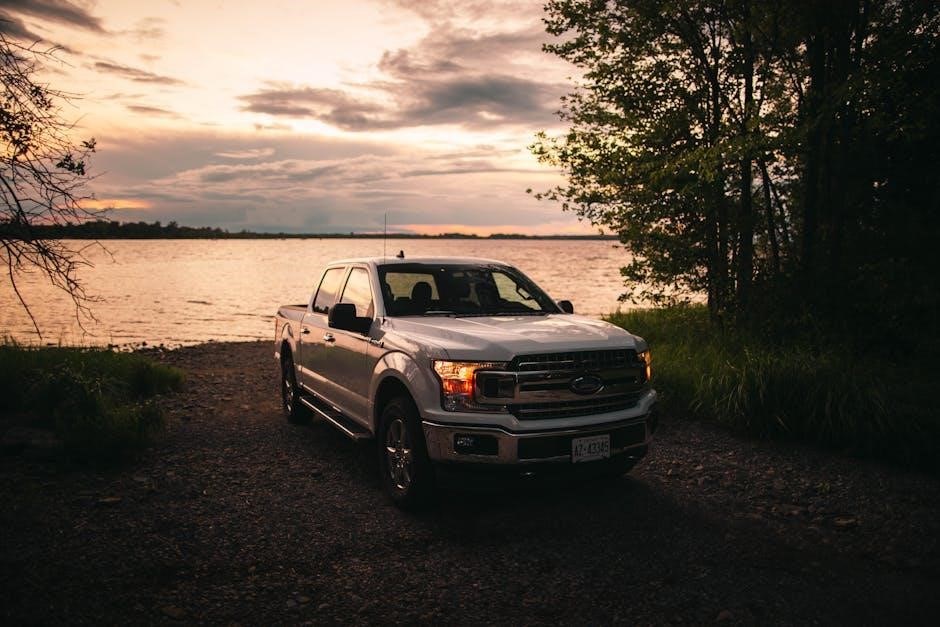
Ford F250 Manual Locking Hubs: Common Problems & Solutions (As of 04/21/2026)
Ford F250 owners frequently encounter issues with their manual locking hubs‚ ranging from hubs stuck in locked positions to complete refusal to engage․
A common culprit is the poor seal design‚ leading to water intrusion and corrosion‚ especially given the truck’s age and usage․
Ford F-250 trucks‚ particularly those equipped with manual locking hubs‚ offer a robust four-wheel-drive system designed for enhanced traction in challenging conditions․ However‚ these systems aren’t without their potential drawbacks․ Many owners‚ especially those new to trucks with this feature‚ often find themselves questioning the purpose and operation of these hubs․ Understanding their function is crucial for both maximizing performance and preventing costly repairs․
The manual locking hub system allows the driver to mechanically connect or disconnect the front axle shafts from the front wheels․ This is a key component in engaging four-wheel drive․ While seemingly straightforward‚ the system is prone to specific issues‚ as highlighted by discussions on platforms like r/4×4 on Reddit and r/FordTrucks․ These issues often stem from the hubs’ design and exposure to the elements․
A recurring theme in online forums is the susceptibility of Ford locking hubs to failure over time․ The inherent design flaws‚ particularly concerning the seals‚ contribute to water intrusion and subsequent corrosion․ This leads to a range of problems‚ from hubs becoming stuck in the locked position to a complete inability to engage‚ impacting the vehicle’s functionality and potentially affecting fuel mileage when hubs are unintentionally engaged․
What Do Manual Locking Hubs Do?
Manual locking hubs on a Ford F-250 serve as a crucial mechanical link between the front axle shafts and the front wheels․ When disengaged (unlocked)‚ they allow the front axle to spin freely without powering the front wheels․ This is ideal for normal‚ on-road driving‚ reducing drivetrain wear and improving fuel efficiency – a point frequently discussed in online forums․
However‚ when engaged (locked)‚ these hubs physically connect the axle shafts to the wheels‚ enabling four-wheel drive․ This distributes power to all four wheels‚ providing significantly increased traction for off-road conditions‚ slippery surfaces‚ or when navigating challenging terrain․ The driver manually controls this connection‚ unlike automatic locking hubs․
Essentially‚ they act as a switch‚ allowing the driver to choose between a traditional two-wheel-drive mode and a four-wheel-drive mode․ This manual control is beneficial‚ but also introduces potential points of failure․ As noted in discussions on Reddit‚ understanding this function is key to avoiding issues․ Incorrect usage‚ such as driving on dry pavement with locked hubs‚ can lead to increased wear and tear and negatively impact fuel economy due to the constant friction within the drivetrain․
The Benefits of Using Locking Hubs
Manual locking hubs on a Ford F-250 offer several distinct advantages over automatic systems․ Primarily‚ they enhance drivetrain longevity․ By disengaging the front axle when four-wheel drive isn’t needed‚ you eliminate unnecessary wear on components like U-joints‚ CV joints‚ and the transfer case․ This is a significant benefit‚ especially for trucks used primarily for on-road driving․
Furthermore‚ manual hubs contribute to improved fuel economy․ With the front axle disconnected‚ there’s less rotational mass and reduced internal friction within the drivetrain‚ resulting in slightly better gas mileage – a concern frequently raised by owners․ The ability to precisely control when four-wheel drive is engaged also provides a more direct and responsive driving experience․

Another key benefit is increased reliability․ Manual hubs are mechanically simpler than automatic systems‚ reducing the potential for electronic failures; As highlighted in online Reddit discussions‚ this simplicity can be particularly valuable in remote locations where repairs might be difficult․ While requiring manual operation‚ the benefits of durability‚ efficiency‚ and control make them a preferred choice for many F-250 owners․
Common Symptoms of Failing Locking Hubs
Recognizing the signs of failing Ford F-250 manual locking hubs is crucial for preventing further damage․ A prevalent symptom is difficulty engaging or disengaging the hubs; they may feel stiff‚ require excessive force‚ or simply refuse to move․ Another common issue‚ frequently discussed on Reddit forums‚ is hubs becoming stuck in the locked position‚ causing binding and potentially damaging drivetrain components when driving on dry pavement․

A more serious indicator is a spinning U-joint at the wheel when the corresponding tire isn’t rotating after engaging the hubs․ This suggests internal hub failure‚ demanding immediate attention․ Unusual noises‚ such as clicking or grinding sounds emanating from the front wheels‚ can also signal a problem․ Water intrusion and subsequent corrosion‚ a known Ford issue‚ often manifest as rust around the hub assembly․

Finally‚ a noticeable decrease in fuel mileage‚ particularly when the hubs are engaged‚ can point to constant‚ unintended engagement due to hub malfunction․ Ignoring these symptoms can lead to more extensive and costly repairs‚ emphasizing the importance of prompt diagnosis and maintenance․
Hubs Stuck in the Locked Position
Finding your Ford F-250’s manual locking hubs persistently stuck in the locked position is a common‚ yet frustrating‚ problem․ This occurs when internal components seize due to corrosion‚ dirt‚ or lack of lubrication․ Driving with hubs locked on dry pavement creates significant drivetrain binding‚ leading to increased wear and tear on the U-joints‚ transfer case‚ and axles․ This constant friction also negatively impacts fuel mileage‚ as noted in discussions on Reddit and blogs like Hrcounselblog․

Attempting to force the hubs can worsen the situation‚ potentially stripping the locking mechanism or damaging the hub housing․ Often‚ the issue stems from the Ford’s known seal failure‚ allowing water and contaminants to enter the hub assembly․ A penetrating oil‚ applied liberally and allowed to soak‚ can sometimes loosen corroded parts․
However‚ if the hubs remain stubbornly locked‚ disassembly and thorough cleaning‚ along with replacing worn or damaged components‚ are usually necessary․ Regular maintenance and preventative measures‚ such as greasing the hubs during service intervals‚ can help avoid this troublesome scenario․
Hubs Refusing to Engage
When Ford F-250 manual locking hubs refuse to engage‚ it often indicates internal damage or severe corrosion within the hub mechanism․ This prevents the front axles from connecting to the wheels‚ rendering the four-wheel-drive system ineffective․ A common symptom‚ as discussed on r/4×4 on Reddit‚ is the scenario where everything spins up to the hub‚ but the tire itself doesn’t rotate when attempting to lock it․

This lack of engagement can be caused by broken or worn internal gears‚ a stripped locking mechanism‚ or excessive rust buildup hindering proper operation․ The notorious seal failure common in Ford hubs allows moisture and debris to infiltrate‚ accelerating corrosion and leading to this issue․
Diagnosis often involves inspecting the hubs for physical damage and attempting to manually rotate the internal components․ If resistance is felt or parts are visibly broken‚ replacement is typically the most practical solution․ Ignoring this problem can lead to further damage to the drivetrain when attempting to utilize the 4WD system․
Spinning U-Joints with Non-Spinning Tires
A telltale sign of failing Ford F-250 manual locking hubs is observing the U-joints spinning while the tires remain stationary․ This indicates that power is being transferred through the front driveshaft and axles‚ but the hubs aren’t properly connecting to the wheels․ This issue was specifically highlighted in a discussion on r/4×4 on Reddit‚ where users described this exact scenario as a strong indicator of hub failure․
The root cause is usually a damaged or disengaged locking mechanism within the hub itself․ The internal components responsible for coupling the axle to the wheel are failing to grip‚ resulting in wasted energy and no forward motion․ This can also be exacerbated by the common Ford hub seal issue‚ allowing contaminants to interfere with the locking process․
Continuing to operate the vehicle with this condition can cause unnecessary wear on the U-joints and other drivetrain components․ Prompt diagnosis and hub replacement are crucial to prevent further damage and restore proper four-wheel-drive functionality․ It’s a clear signal that the hubs are no longer effectively transferring power․
Water Intrusion and Corrosion

Ford F-250 manual locking hubs are notoriously susceptible to water intrusion‚ leading to significant corrosion issues․ This is a frequently cited problem‚ particularly emphasized in online forums like r/4×4 on Reddit‚ where users consistently report seal failures as a primary cause․ The design of the hubs‚ unfortunately‚ doesn’t provide a robust barrier against moisture and debris․
Once water penetrates the hub assembly‚ corrosion quickly sets in‚ affecting the internal locking mechanisms․ This corrosion can cause the hubs to seize‚ become difficult to engage or disengage‚ or fail to lock altogether․ Rust particles interfere with the smooth operation of the splines and other critical components․
The resulting corrosion not only diminishes the hub’s functionality but also accelerates wear and tear‚ shortening its lifespan․ Regular inspection and preventative maintenance‚ including greasing and seal checks‚ are vital to mitigate the effects of water intrusion․ Ignoring this issue can lead to costly repairs and potential four-wheel-drive system failure․
Seal Failure – A Frequent Ford Issue
Seal failure is a remarkably common problem plaguing Ford F-250 manual locking hubs‚ consistently highlighted across online communities like r/4×4 on Reddit․ Owners frequently discuss the inherent weakness in the factory seal design‚ which allows water‚ dirt‚ and debris to easily infiltrate the hub assembly․ This isn’t a rare occurrence; it’s almost an expectation with these vehicles over time․
The seals themselves degrade due to age‚ temperature fluctuations‚ and the abrasive nature of road contaminants․ Once compromised‚ the protective barrier is lost‚ exposing the internal components to the elements․ This leads directly to corrosion‚ as detailed elsewhere‚ and ultimately‚ hub malfunction․
The consequences of seal failure extend beyond simple inconvenience․ It can cause the hubs to lock up‚ refuse to engage‚ or experience significant internal wear․ Replacing the seals is often a necessary step in any locking hub repair‚ and many owners proactively replace them during preventative maintenance to avoid more extensive issues down the road․ It’s a known Ford quirk․
Impact of Always-Engaged Hubs on Fuel Mileage
Operating a Ford F-250 with the manual locking hubs perpetually engaged introduces unnecessary friction into the drivetrain‚ demonstrably impacting fuel economy․ As noted in discussions on r/FordTrucks on Reddit‚ this constant engagement forces the front driveshaft and related components to rotate even when four-wheel drive isn’t required․
This continuous rotation consumes engine power that would otherwise be used to propel the vehicle forward‚ resulting in a noticeable decrease in miles per gallon․ The extent of the fuel mileage reduction varies depending on driving conditions‚ tire size‚ and overall vehicle weight‚ but it’s consistently reported as a drawback of leaving the hubs locked․
Essentially‚ the truck is fighting against itself‚ expending energy to turn components that aren’t contributing to forward motion on dry pavement․ Disengaging the hubs when four-wheel drive isn’t needed is a simple yet effective way to optimize fuel efficiency and minimize unnecessary wear and tear on the drivetrain․ It’s a small change with a tangible benefit․
Diagnosing Locking Hub Problems
Accurately diagnosing issues with Ford F-250 manual locking hubs requires a systematic approach․ Begin by visually inspecting the hubs for obvious signs of damage‚ corrosion‚ or fluid leaks․ A key indicator‚ as discussed on r/4×4 on Reddit‚ is observing whether the U-joint at the wheel is spinning when the tire isn’t‚ even with the hub in the ‘auto’ position․ This strongly suggests an internal hub failure․
Attempt to manually engage and disengage the hubs‚ noting any resistance or unusual noises․ If a hub refuses to lock or unlock‚ it could indicate internal damage or a seized mechanism․ Check for smooth operation and proper engagement․ Further investigation involves verifying that the hubs are receiving vacuum signal if applicable‚ though this is less common with manual systems․
Listening for unusual clicking or grinding sounds while attempting to engage the hubs can also pinpoint the source of the problem․ Remember‚ consistent issues often stem from the Ford’s known seal failures‚ allowing contaminants to enter and cause internal damage․ Careful observation and methodical testing are crucial for accurate diagnosis․
Tools Needed for Inspection & Repair
Successfully inspecting and repairing Ford F-250 manual locking hubs demands a specific set of tools․ Essential items include a socket set‚ encompassing both standard and metric sizes‚ to remove the hub assembly and related components․ A torque wrench is crucial for properly tightening fasteners to manufacturer specifications‚ preventing damage or loosening during operation․
Penetrating oil‚ like PB Blaster‚ is invaluable for loosening corroded or seized parts‚ particularly given the common issue of water intrusion and rust․ A hammer and punch set can assist in gently dislodging stubborn components․ Additionally‚ a seal puller is highly recommended for safely removing the old hub seals without damaging the surrounding surfaces․
For a thorough inspection‚ a flashlight and a mirror are helpful for examining hard-to-reach areas․ Depending on the extent of the repair‚ you might also need a hub disassembly tool‚ and new hub seals are almost always required‚ considering Ford’s history of seal failures․ Safety glasses and gloves are non-negotiable for personal protection throughout the process․
Replacing Ford F250 Locking Hubs – A Step-by-Step Guide
Begin by safely lifting the vehicle and securing it with jack stands․ Remove the wheel and tire assembly‚ then disconnect the brake caliper and rotor for access․ Next‚ carefully remove the hub assembly retaining bolts․ With penetrating oil applied‚ gently pull the hub straight off – a hub puller may be necessary if it’s seized․
Thoroughly inspect the hub splines and internal components for wear or damage․ Clean the hub bore and install the new hub seal using a seal driver‚ ensuring proper seating․ Reassemble the hub‚ carefully aligning the splines and tightening the retaining bolts to the specified torque․
Reconnect the brake components‚ ensuring proper function before lowering the vehicle․ Repeat the process for the other side if necessary․ After installation‚ test the locking hub engagement and disengagement several times․ Remember that Ford’s design often leads to seal failure‚ so diligent inspection is key․ Finally‚ double-check all connections and torque specifications before road testing․
Preventative Maintenance for Locking Hubs
Regular preventative maintenance is crucial for extending the life of your Ford F250’s manual locking hubs‚ especially considering the known seal issues․ Every six months‚ or more frequently in harsh conditions‚ thoroughly clean the hubs with a degreaser‚ removing dirt and grime that can accelerate wear․ Inspect the hub seals for any signs of cracking‚ drying‚ or leakage – replacement is recommended at the first sign of deterioration․
Lubricate the hub internals with a high-quality grease designed for extreme pressure applications․ When not in use for extended periods‚ consider applying a corrosion inhibitor to protect against rust․ Avoid habitually driving with the hubs locked on dry pavement‚ as this creates unnecessary friction and heat‚ contributing to seal failure․
Periodically check for smooth engagement and disengagement; any resistance indicates a potential problem․ Remember‚ proactive care can significantly reduce the likelihood of encountering frustrating and costly repairs down the road‚ given the Ford’s susceptibility to hub-related issues․
Resources and Further Information
For Ford F250 owners seeking more in-depth knowledge about manual locking hubs‚ several online resources offer valuable insights․ The r/4×4 subreddit (https://www․reddit․com/r/4×4/) frequently hosts discussions regarding these systems‚ providing a platform to learn from other truck enthusiasts and troubleshoot common problems․
Similarly‚ the r/FordTrucks subreddit (https://www․reddit․com/r/FordTrucks/) is a dedicated space for Ford truck owners‚ offering a wealth of information and advice․ Hrcounselblog (https://hrcounselblog․com/hubs-locked-on-f250-what-it-means/) provides a detailed guide to understanding and resolving hub-related issues․
Furthermore‚ numerous YouTube channels specialize in automotive repair‚ offering visual tutorials on diagnosing and replacing locking hubs․ Online Ford parts retailers often have exploded diagrams and parts lists to aid in identification and repair․ Always cross-reference information and consult a qualified mechanic when tackling complex repairs‚ especially considering the potential for damage and safety concerns․