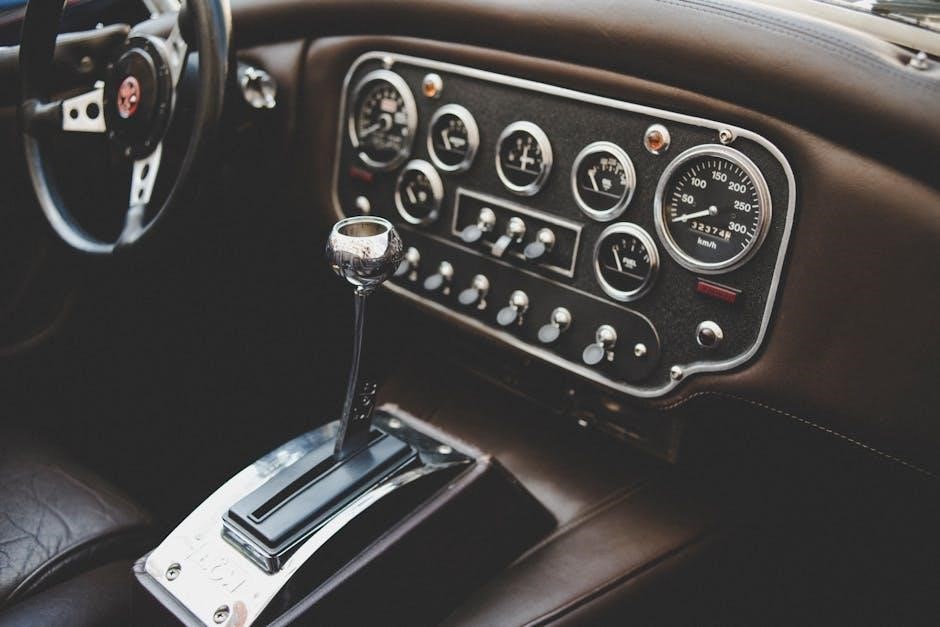
Does a Manual Transmission Need Transmission Fluid? ⸺ Article Plan (04/28/2026 02:41:06)
Understanding transmission fluid’s role is crucial, even in manuals; it lubricates gears, dissipates heat, and prevents corrosion, ensuring smooth gear changes and longevity.
Many believe manual transmissions are “sealed,” needing no fluid, but this is incorrect; they require specific lubricants for optimal performance, protecting gears and ensuring smooth operation.
Common Beliefs and Why They’re Often Incorrect
A prevalent myth suggests manual transmissions don’t utilize, or require, transmission fluid like automatics, leading owners to neglect essential maintenance. This stems from the perception of a simpler system. However, manual transmissions absolutely need lubrication. Gears mesh and spin at high speeds, creating friction and heat. Without fluid, premature wear and eventual failure are inevitable. The idea of a “sealed” unit is false; fill and check plugs exist for a reason. Ignoring fluid levels impacts shifting and component life.
Defining “Transmission Fluid” in the Context of Manuals
While often called “transmission fluid,” the lubricant used in most manual transmissions is technically gear oil. Unlike the hydraulic fluid in automatics, manual transmission fluid primarily focuses on lubrication and protection of gear teeth. It’s a heavier, oil-based product designed to withstand extreme pressures. Some newer manuals do utilize specific Automatic Transmission Fluids (ATF), but this is less common. Understanding this distinction is vital when selecting the correct fluid for your vehicle, avoiding damage from improper viscosity or additives.

The Role of Fluid in a Manual Transmission
Essential functions include lubricating gears, dissipating heat generated by friction, and preventing internal corrosion, all contributing to smooth operation and extended lifespan.
Lubrication of Gears and Bearings
Manual transmissions rely heavily on fluid lubrication to minimize friction between the constantly meshing gears and the supporting bearings. This reduces wear and tear, preventing premature failure of these critical components. Without adequate lubrication, metal-to-metal contact generates excessive heat and rapidly degrades the transmission’s internal parts. The fluid creates a protective layer, ensuring smooth, quiet operation and maximizing the transmission’s overall efficiency and longevity. Proper viscosity is key for optimal performance.
Heat Dissipation and Cooling
The operation of a manual transmission generates significant heat due to the friction of moving parts. Transmission fluid plays a vital role in absorbing and dissipating this heat, preventing overheating and potential damage. As the fluid circulates, it carries heat away from the gears and bearings, transferring it to the transmission case for dissipation into the surrounding air. Maintaining sufficient fluid levels and using the correct type ensures effective cooling, safeguarding the transmission’s internal components from thermal stress and failure.
Corrosion Prevention
Internal transmission components are susceptible to corrosion from moisture and the byproducts of metal-on-metal contact. Transmission fluid contains additives specifically designed to inhibit corrosion, creating a protective barrier on metal surfaces. This barrier prevents rust and oxidation, extending the lifespan of gears, bearings, and other critical parts. Regular fluid changes ensure these protective additives remain effective, safeguarding against long-term damage and maintaining optimal transmission performance and reliability.

Types of Fluid Used in Manual Transmissions
Manual transmissions commonly utilize gear oil (GL-4 or GL-5), though some may require Automatic Transmission Fluid (ATF), varying by vehicle specifications.
Gear Oil (GL-4 and GL-5) ⎯ Detailed Comparison
Gear oils, categorized as GL-4 and GL-5, differ in their additive packages, impacting compatibility with transmission materials. GL-4 is generally recommended for older transmissions with brass or bronze synchronizers, as GL-5’s additives can cause corrosion. Conversely, GL-5 offers superior extreme pressure performance, suitable for modern transmissions with hardened steel components.
Using the incorrect type can lead to premature wear or synchronizer failure; always consult your vehicle’s manual for the specified gear oil type. Synthetic options provide enhanced thermal stability and protection.
Automatic Transmission Fluid (ATF) ⸺ When It’s Used
While primarily for automatics, some manual transmissions, particularly those with integrated hydraulic systems for clutch operation, require ATF. This is less common but crucial to identify correctly. Using gear oil in a system designed for ATF can cause significant damage to the hydraulic components, leading to clutch disengagement issues.
Always verify your vehicle’s specifications; the owner’s manual will explicitly state if ATF is the correct fluid. Incorrect fluid usage voids warranties and causes costly repairs.
Synthetic vs. Conventional Gear Oil
Conventional gear oil is petroleum-based, suitable for older or less-stressed transmissions, offering adequate lubrication at a lower cost. Synthetic gear oil, however, provides superior performance – enhanced thermal stability, better cold-flow properties, and increased protection against wear.
Synthetics are ideal for high-performance vehicles, towing, or severe driving conditions. While pricier upfront, they extend fluid life and potentially prevent expensive transmission repairs, offering long-term value.
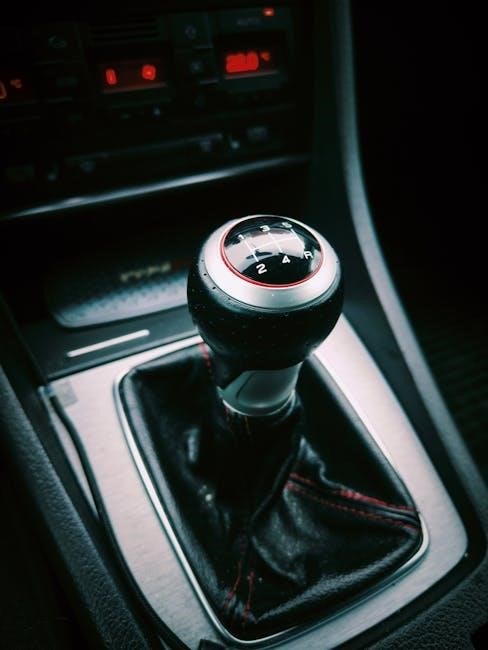
Identifying the Correct Fluid for Your Vehicle
Precisely matching fluid specifications is vital; consult your owner’s manual, check online databases, and understand API/SAE ratings for optimal transmission health.
Consulting Your Owner’s Manual
Your vehicle’s owner’s manual is the primary source for identifying the correct transmission fluid. It details the specific type – often GL-4 or GL-5 gear oil, or sometimes even a specific ATF – required for your manual transmission. Ignoring this guidance can lead to significant damage.
The manual will also outline the fluid’s viscosity and any specific manufacturer recommendations. Pay close attention to any warnings about using incompatible fluids, as this could void your warranty or cause premature wear. Locate the transmission section and carefully review the fluid specifications.
Checking Vehicle Specifications Online
Numerous websites provide vehicle-specific fluid recommendations. Input your vehicle’s year, make, and model to access accurate information regarding the correct transmission fluid. Reputable auto parts retailers and online databases often offer this service, cross-referencing with manufacturer data.
However, always verify online findings with your owner’s manual. Online resources can sometimes contain errors or outdated information. Use them as a supplementary tool, not a replacement for the official documentation provided with your vehicle. Double-checking ensures accuracy.
Understanding API and SAE Ratings
API (American Petroleum Institute) ratings, like GL-4 and GL-5, signify gear oil performance levels. GL-4 is typically recommended for older manual transmissions with brass or bronze synchronizers, while GL-5 offers enhanced protection for newer, more robust transmissions.
SAE (Society of Automotive Engineers) viscosity grades, such as 75W-90, indicate the fluid’s thickness at different temperatures. Choosing the correct viscosity ensures proper lubrication across varying driving conditions. Consult your owner’s manual for the specified API and SAE ratings for your vehicle.

How to Check Your Manual Transmission Fluid Level
Locate fill and check plugs, warm the transmission, and carefully check the fluid level—it should be at the bottom of the fill plug opening.
Locating the Fill and Check Plugs
Identifying these plugs is key to checking fluid levels. Typically, the fill plug is located on the side of the transmission case, often requiring a wrench or socket for removal. The check plug is usually nearby, sometimes sharing the same opening after the fill process. Consult your vehicle’s repair manual or online diagrams for precise locations, as they vary significantly between makes and models. Ensure the transmission is cool to the touch before attempting to locate or remove these plugs to avoid burns.
The Proper Checking Procedure
To accurately check the fluid, with the vehicle on level ground, remove the check plug. The fluid level should be even with the bottom of the plug opening. If it’s low, slowly add fluid through the fill plug using a pump or squeeze bottle until it reaches the correct level. Avoid overfilling! After adding fluid, replace both plugs securely, tightening them to the manufacturer’s specified torque. Always wear gloves and eye protection during this process, and clean any spills immediately.
Interpreting Fluid Level Readings
A fluid level even with the fill plug indicates sufficient lubrication. If it’s significantly low, topping off is necessary, but consistently low levels suggest a leak requiring investigation. Dark, murky fluid indicates contamination and the need for a complete fluid change. A metallic sheen or gritty texture signals internal wear, potentially demanding transmission repair. Always compare the fluid’s condition to a known good sample for accurate assessment.
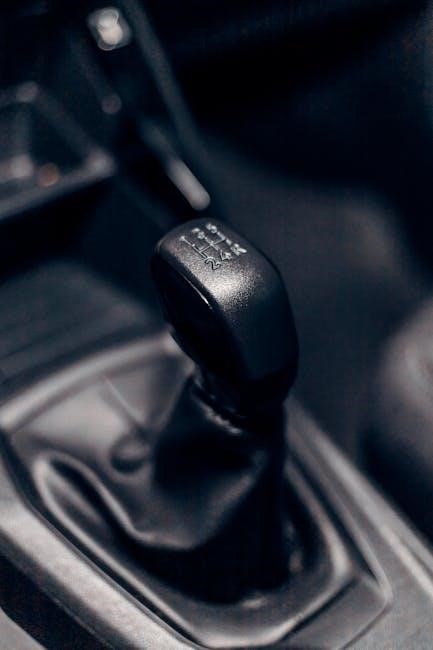
Signs of Low or Contaminated Fluid
Difficulty shifting, grinding noises during gear changes, and unusually high transmission temperatures are key indicators of insufficient or degraded manual transmission fluid.
Difficulty Shifting Gears
Experiencing trouble selecting gears, particularly when the transmission is cold, often signals low or degraded fluid levels. A properly lubricated system allows for seamless engagement of gears; insufficient fluid creates friction and resistance. This manifests as a “notchy” or stiff shift feel, requiring excessive force to move the gear lever.
Hesitation when attempting to shift, or gears slipping out of engagement, are also red flags. Ignoring these symptoms can lead to more significant internal damage, necessitating costly repairs or a complete transmission overhaul.
Grinding Noises
A distinct grinding sound, especially when shifting gears, is a strong indicator of inadequate lubrication within the manual transmission. This noise arises from the gears not being properly cushioned by the fluid, causing them to clash during engagement. Synchronizers, responsible for matching gear speeds, are particularly vulnerable without sufficient fluid.
The grinding may be more pronounced when shifting into specific gears, or during quick shifts. Prolonged grinding accelerates wear on gear teeth and synchronizers, ultimately leading to transmission failure and expensive repairs.
Increased Transmission Temperature
Elevated transmission temperatures often signal a lack of sufficient fluid to effectively dissipate heat generated by the internal components. Friction between gears and bearings creates substantial heat, and the fluid’s primary role is to carry this heat away. If the fluid is low or degraded, its cooling capacity diminishes.
You might notice a burning smell, or the transmission case itself feels excessively hot to the touch. Ignoring increased temperatures can lead to fluid breakdown, accelerated wear, and potential transmission damage.
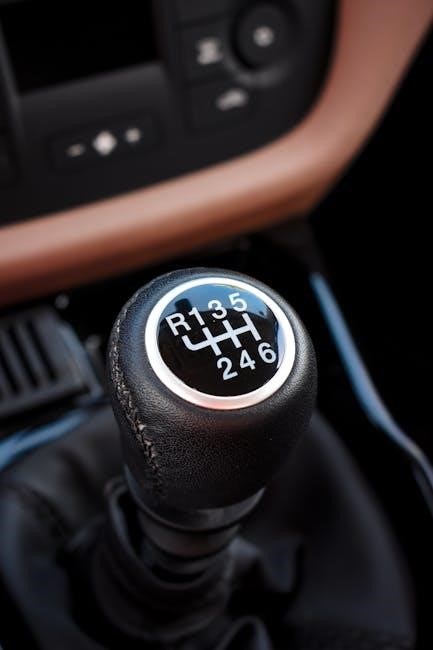
The Process of Changing Manual Transmission Fluid
Proper fluid changes require specific tools, careful draining, refilling with the correct fluid type, and responsible disposal of the used lubricant.
Tools and Materials Needed
For a successful manual transmission fluid change, gather essential tools. You’ll require a wrench set – specifically, sizes for the drain and fill plugs. A fluid pump is helpful for refilling, alongside a drain pan to catch the old fluid. Gloves and safety glasses are vital for protection.
Furthermore, you’ll need the correct type and quantity of gear oil (GL-4 or GL-5, or potentially ATF – check your manual!). A funnel ensures clean pouring, and rags are necessary for cleanup. Torque wrench is recommended for proper plug tightening, preventing leaks and damage.
Step-by-Step Fluid Change Guide
Begin by warming the vehicle slightly. Locate and remove the fill and drain plugs, positioning the drain pan; Allow the old fluid to fully drain – this may take time. Clean the drain plug and reinstall it with a new crush washer, torquing to specification.
Next, using a pump or funnel, carefully refill the transmission with the correct fluid until it reaches the proper level, checking via the fill plug. Reinstall the fill plug, again torquing correctly. Finally, verify for leaks and test drive cautiously.
Proper Disposal of Old Fluid
Used transmission fluid is considered hazardous waste and must not be poured down drains, onto the ground, or into the trash. Carefully transfer the drained fluid into a sealed, leak-proof container – the original fluid bottles work well.
Take the container to a local auto parts store, recycling center, or hazardous waste collection facility for proper disposal. Many auto parts stores accept used fluids for recycling, often without charge. Always check local regulations for specific disposal guidelines.
Frequency of Fluid Changes
Regular fluid checks and changes, typically every 30,000-60,000 miles, are vital for manual transmissions, especially with demanding driving conditions.
Normal Driving Conditions
For drivers primarily engaging in typical daily commutes and highway driving, a manual transmission fluid change is generally recommended around the 60,000-mile mark. However, consistently monitoring the fluid’s condition is paramount. If the fluid appears clean and maintains a healthy viscosity, extending the interval slightly might be acceptable.
Regular inspections can reveal early signs of contamination or degradation, preventing potential issues. Remember, preventative maintenance is always more cost-effective than addressing significant transmission damage later on.
Severe Driving Conditions (Towing, Racing)
Vehicles subjected to demanding conditions – frequent towing, spirited driving, or track use – require more frequent transmission fluid changes. Reduce the interval to every 30,000-45,000 miles. These activities generate significantly higher temperatures and stress on the transmission components, accelerating fluid breakdown and potential wear.
Consistent monitoring is even more critical; inspect the fluid’s condition regularly. Ignoring this can lead to premature failure of synchronizers and gears, resulting in costly repairs.
Manufacturer Recommendations
Always prioritize your vehicle’s owner’s manual for specific transmission fluid change intervals. Manufacturers base these recommendations on extensive testing and engineering data, considering the transmission’s design and intended use. These guidelines often vary significantly between makes and models.
Following these recommendations ensures optimal performance and longevity. Deviating from them could void warranty coverage or lead to premature component wear. Consult a qualified mechanic if the manual is unclear or you have specific concerns.
Potential Problems from Incorrect Fluid
Using the wrong fluid can severely damage synchronizers, causing gear wear and failure, ultimately leading to costly repairs and transmission issues.
Damage to Synchronizers
Synchronizers are vital for smooth gear engagement in manual transmissions, and they are particularly sensitive to fluid compatibility. Incorrect fluid, especially automatic transmission fluid where gear oil is needed, lacks the necessary friction modifiers. This leads to synchronizer wear, causing grinding during shifts and ultimately, complete failure. Damaged synchronizers necessitate a transmission rebuild, a significant expense. Using the specified gear oil – GL-4 or GL-5 – is paramount for protecting these delicate components and maintaining optimal shifting performance, preventing premature wear and costly repairs.
Gear Wear and Failure
Insufficient or incorrect transmission fluid directly contributes to accelerated gear wear and potential failure. Without proper lubrication, metal-to-metal contact increases friction and heat, eroding gear teeth over time. Using the wrong fluid, like ATF in a system designed for gear oil, compromises the protective film, leading to pitting and scoring. This results in noisy operation, reduced efficiency, and ultimately, catastrophic gear damage requiring a complete transmission overhaul or replacement – a substantial financial burden for vehicle owners.
Bearing Damage
Transmission fluid isn’t just for gears; it’s vital for bearing health. Bearings support rotating shafts and experience significant stress. Without adequate lubrication, these bearings suffer increased friction, leading to overheating and premature wear. Contaminated or degraded fluid exacerbates this, introducing abrasive particles. Damaged bearings create noise, vibration, and can ultimately seize, causing complete transmission failure and requiring extensive, costly repairs. Regular fluid changes are therefore essential for bearing longevity.

DIY vs. Professional Fluid Change
Assess your skills and tools; a DIY change saves money, but professionals offer expertise and ensure proper fluid type and disposal procedures.
Assessing Your Mechanical Skill Level
Before attempting a manual transmission fluid change yourself, honestly evaluate your mechanical aptitude. Have you successfully completed similar automotive repairs, like oil changes or brake pad replacements? This task requires basic tools, some physical strength, and the ability to locate and remove/install drain and fill plugs.
Understanding torque specifications is vital to avoid damaging components. If you’re uncomfortable working under the vehicle or lack confidence in your abilities, a professional mechanic is the safer option, preventing costly mistakes.
Cost Comparison
DIY manual transmission fluid changes are significantly cheaper. The fluid itself typically ranges from $20 to $80, depending on the type and quantity needed. You’ll also need a wrench for the drain plug (around $10-$20) and a fluid pump (potentially $30-$50).
Professional services generally cost between $150 and $300, including parts and labor. While more expensive, it offers convenience and the assurance of a job done correctly, potentially saving you from future repairs.
Risks and Benefits of Each Approach
DIY fluid changes offer cost savings and a sense of accomplishment, but carry risks like improper fluid type usage or insufficient tightening of drain plugs, leading to leaks. Professional changes ensure correct fluid and torque specifications are met.
However, professional services are pricier. Choosing a reputable mechanic is vital to avoid errors. Both approaches require proper disposal of old fluid, adhering to environmental regulations, to prevent pollution and potential fines.