
Security Officer Duties and Responsibilities: A Comprehensive Overview
Today is 04/13/2026 21:26:14 (). This overview details the crucial role of a security officer, focusing on leadership and supporting vital security initiatives.
Today is 04/13/2026 21:26:14 (). The security officer position is foundational to maintaining safe and secure environments. This role demands a proactive approach, encompassing vision and leadership in developing and bolstering security protocols.
Chief Security Officers, and officers generally, are responsible for safeguarding assets, personnel, and information. They achieve this through diligent implementation of security measures, responding to incidents, and ensuring compliance with relevant regulations; This introductory overview sets the stage for a detailed exploration of the multifaceted duties and responsibilities inherent in this critical profession.
II. Core Responsibilities & Overview
Today is 04/13/2026 21:26:14 (). Core responsibilities center around providing leadership and support for all security initiatives. This includes developing, implementing, and maintaining comprehensive security programs designed to protect company assets and personnel.
Officers routinely conduct risk assessments, investigate security breaches, and ensure adherence to established security policies. A key overview element is proactive threat mitigation, alongside swift and effective incident response. The role demands a blend of technical expertise, strong communication skills, and a commitment to maintaining a secure environment.
III. Physical Security Duties
Today is 04/13/2026 21:26:14 (). Physical security duties form a cornerstone of overall protection. These encompass maintaining a secure perimeter through diligent access control and regular patrols. Officers are responsible for monitoring surveillance systems, promptly addressing any anomalies detected.
Routine equipment checks and maintenance are vital, ensuring all security devices function optimally. A proactive approach to identifying and mitigating physical vulnerabilities is paramount. This includes securing buildings, grounds, and sensitive areas against unauthorized access or potential threats, bolstering overall safety.
A. Perimeter Control & Access Management
Today is 04/13/2026 21:26:14 (). Effective perimeter control is fundamental to security. Officers meticulously manage access points, verifying credentials and authorizing entry. This involves monitoring gates, doors, and fences to prevent unauthorized individuals from entering the premises.
Implementing and enforcing access control policies, alongside diligent visitor screening, are key responsibilities. Maintaining detailed logs of all entries and exits provides a crucial audit trail. Proactive measures ensure only authorized personnel gain access, safeguarding assets and maintaining a secure environment.
B. Surveillance Systems Operation & Monitoring
Today is 04/13/2026 21:26:14 (). Security officers are responsible for the proficient operation and continuous monitoring of surveillance systems. This includes CCTV cameras, recording devices, and alarm systems. Vigilant observation of live feeds and recorded footage is crucial for detecting suspicious activity or potential security breaches.
Officers must be adept at interpreting surveillance data and responding appropriately to identified threats. Maintaining system functionality through regular checks and reporting any malfunctions is paramount. Accurate documentation of all surveillance observations is essential for incident investigation and reporting.
C. Security Equipment Maintenance & Checks
Today is 04/13/2026 21:26:14 (). Regular maintenance and thorough checks of all security equipment are vital responsibilities. This encompasses CCTV cameras, alarm systems, access control devices, and communication tools. Officers must perform routine inspections to ensure optimal functionality and identify potential issues proactively.
Promptly reporting any malfunctions or required repairs is crucial for maintaining a robust security posture. Maintaining detailed records of all maintenance activities and equipment checks is essential for accountability and compliance. This proactive approach minimizes vulnerabilities and ensures system reliability.
IV. Emergency Response Procedures
Today is 04/13/2026 21:26:14 (). Security officers are frontline responders during emergencies, requiring swift and decisive action. This involves implementing established protocols for various scenarios – fires, medical incidents, or security breaches.
Effective incident reporting and thorough investigation are paramount, documenting all details accurately. Officers must possess current First Aid and CPR certifications to provide immediate assistance. Regular evacuation drills and adherence to established procedures are vital for ensuring the safety of all personnel and visitors during critical events.

A. Incident Reporting & Investigation

Today is 04/13/2026 21:26:14 (). Meticulous incident reporting is a cornerstone of security officer duties. Every event, no matter how minor, demands detailed documentation – time, location, individuals involved, and a factual account of occurrences.
Investigations require objectivity and adherence to established procedures. Officers gather evidence, interview witnesses, and maintain a clear chain of custody. Accurate and comprehensive reports are crucial for analysis, preventative measures, and potential legal proceedings, ensuring accountability and continuous improvement of security protocols.
B. First Aid & CPR Certification
Today is 04/13/2026 21:26:14 (). Security officers frequently serve as first responders to medical emergencies. Current First Aid and CPR certification are, therefore, non-negotiable qualifications.
Proficiency in these life-saving skills enables officers to provide immediate assistance to injured or ill individuals until professional medical help arrives. Regular refresher courses are vital to maintain competency and confidence. This demonstrates a commitment to the safety and well-being of everyone on the premises, enhancing overall security preparedness.
C. Evacuation Procedures & Drills
Today is 04/13/2026 21:26:14 (). A core duty involves mastering and executing evacuation procedures during emergencies like fires or threats. Security officers must know evacuation routes, assembly points, and assist individuals needing help.
Regularly participating in and often leading evacuation drills is crucial. These drills identify weaknesses in the plan and ensure staff familiarity. Effective communication during an evacuation is paramount, providing clear instructions and maintaining order. Preparedness minimizes panic and maximizes safety for all personnel.
V. Access Control & Identification
Today is 04/13/2026 21:26:14 (). Maintaining secure access points is fundamental. Security officers verify identification of all personnel and visitors, preventing unauthorized entry. This includes diligently monitoring access control systems and responding to any breaches promptly.
Implementing robust visitor management protocols, like sign-in procedures and escorts, is essential. Ensuring employee identification systems are current and utilized correctly strengthens security. Managing key and card access control, including issuing, deactivating, and auditing, is a critical responsibility.
A. Visitor Management Protocols
Today is 04/13/2026 21:26:14 (). Strict visitor management is paramount for security. Officers must enforce comprehensive sign-in procedures, accurately recording visitor details and the purpose of their visit. Providing visitor badges, clearly visible at all times, is crucial for identification.
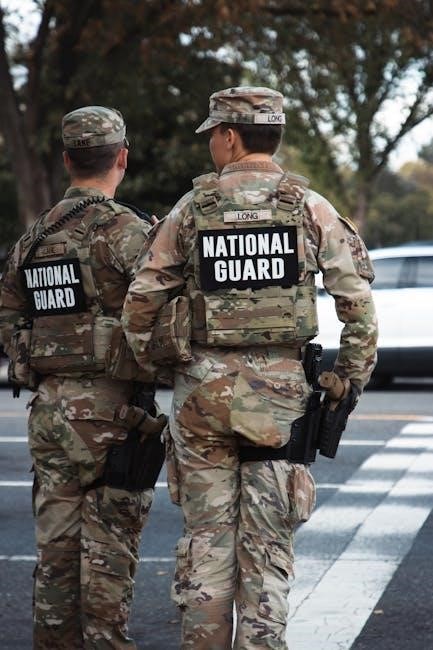
Escorting visitors throughout the premises, particularly in sensitive areas, minimizes risk. Maintaining a visitor log, detailing entry and exit times, provides a valuable audit trail. Promptly addressing any unauthorized access attempts or suspicious behavior is a key responsibility.
B. Employee Identification Systems
Today is 04/13/2026 21:26:14 (). Robust employee identification systems are fundamental to security protocols. Security officers verify employee credentials, ensuring only authorized personnel access restricted areas. Regularly inspecting ID badges for validity and proper display is essential.
Implementing and maintaining a current database of employee photos and identification information streamlines verification processes. Addressing lost or stolen badges promptly prevents unauthorized access. Officers must be vigilant in recognizing and reporting any misuse of employee identification.
C. Key & Card Access Control
Today is 04/13/2026 21:26:14 (). Managing key and card access systems is a core security function. Security officers oversee the distribution, retrieval, and deactivation of access credentials. Maintaining accurate records of key assignments and cardholder permissions is paramount.
Regular audits of access control logs help identify anomalies and potential security breaches. Promptly addressing reported lost or stolen keys/cards minimizes risk. Officers must enforce strict adherence to access control policies, ensuring only authorized individuals gain entry to sensitive areas.
VI. Report Writing & Documentation
Today is 04/13/2026 21:26:14 (). Meticulous report writing and documentation are fundamental to security officer duties. Daily activity reports chronicle routine patrols and observations, providing a baseline for security status.
Detailed incident reports are crucial for investigating breaches or unusual occurrences, including accurate timestamps and witness statements. Maintaining comprehensive security logs and records ensures a clear audit trail, supporting investigations and demonstrating due diligence. Proper documentation aids in risk assessment and policy improvements.
A. Daily Activity Reports
Today is 04/13/2026 21:26:14 (). Daily activity reports form the cornerstone of consistent security documentation. These reports meticulously detail routine patrols, noting any observed irregularities or potential vulnerabilities.
They include timestamps for each checkpoint visited, confirming consistent coverage. Officers record interactions with personnel and visitors, alongside any maintenance checks performed on security equipment. Accurate and thorough daily reports establish a baseline for security assessment and demonstrate proactive monitoring efforts, aiding in overall safety.
B. Incident Reports – Detailed Documentation
Today is 04/13/2026 21:26:14 (). Incident reports demand comprehensive documentation of any security breach or unusual event. These reports must include precise details: time, location, individuals involved, and a factual account of the occurrence.
Officers should record witness statements, actions taken, and any resulting damages. Clear, concise language is crucial, avoiding assumptions or personal opinions. Detailed incident reports are vital for investigations, legal proceedings, and improving future security protocols, ensuring accountability and preventative measures.
C. Security Logs & Record Keeping
Today is 04/13/2026 21:26:14 (). Maintaining meticulous security logs is paramount for a robust security posture. These logs should document all security-related activities, including patrols, access control entries, equipment checks, and incident responses.
Accurate record-keeping provides a historical timeline for analysis, aiding in identifying patterns and vulnerabilities. Logs must be securely stored, readily accessible for audits, and comply with data protection regulations. Proper documentation supports investigations and demonstrates due diligence in security operations.
VII. Legal & Compliance Aspects
Today is 04/13/2026 21:26:14 (). Security officers must possess a solid understanding of relevant security laws and regulations governing their jurisdiction. This includes knowledge of privacy laws, surveillance restrictions, and use-of-force guidelines.
Compliance with data protection regulations, like GDPR or CCPA, is crucial when handling sensitive information. Adherence to established company security policies is non-negotiable, ensuring consistent and legally sound security practices across all operations and responsibilities.
A. Understanding Relevant Security Laws
Today is 04/13/2026 21:26:14 (). A core duty involves comprehensive knowledge of applicable federal, state, and local security laws. This encompasses regulations concerning private property rights, search and seizure limitations, and lawful use of force.
Security officers must stay current on evolving legislation impacting security practices. Understanding legal precedents related to liability and negligence is vital. Proper training ensures actions remain within legal boundaries, minimizing organizational risk and upholding ethical standards in all security operations.
B. Data Protection & Privacy Regulations
Today is 04/13/2026 21:26:14 (). Security officers are increasingly responsible for safeguarding sensitive data, necessitating a firm grasp of privacy regulations. This includes understanding laws like GDPR, CCPA, and HIPAA, depending on the organization’s scope.
Protecting personal information collected through surveillance systems or access control is paramount. Officers must adhere to data handling protocols, ensuring confidentiality, integrity, and availability. Compliance minimizes legal repercussions and builds trust with stakeholders, demonstrating a commitment to responsible data management.
C. Compliance with Company Security Policies
Today is 04/13/2026 21:26:14 (). A core duty involves strict adherence to established company security policies and procedures. Security officers must thoroughly understand these guidelines, encompassing everything from access control to incident reporting.
Consistent enforcement of these policies is crucial for maintaining a secure environment. This includes regular audits to identify vulnerabilities and ensure compliance. Officers act as key enforcers, promoting a security-conscious culture and mitigating risks through diligent policy implementation and ongoing awareness programs.
VIII. Communication & Interpersonal Skills
Today is 04/13/2026 21:26:14 (). Effective communication is paramount for security officers, requiring clear interaction with staff, visitors, and law enforcement. This includes concise reporting of incidents and providing helpful information.
Strong interpersonal skills are vital for de-escalating conflicts and building rapport. Officers must demonstrate professionalism and tact in all interactions. Collaboration with external agencies, like police, necessitates clear and accurate information exchange, fostering a secure and cooperative environment for all parties involved.
A. Effective Communication with Staff & Visitors
Today is 04/13/2026 21:26:14 (). Security officers must communicate clearly and professionally with both staff and visitors, providing directions, answering questions, and enforcing security protocols.
This requires active listening, a polite demeanor, and the ability to explain complex rules simply. Proactive communication, such as informing personnel of security updates, is crucial. Maintaining a visible and approachable presence encourages open dialogue, fostering a safer environment through positive interactions and readily available assistance.
B. Conflict Resolution Techniques
Today is 04/13/2026 21:26:14 (). Security officers frequently encounter tense situations requiring de-escalation skills. Employing techniques like active listening, remaining calm, and demonstrating empathy are paramount.
Understanding non-verbal cues and maintaining a professional distance are also vital. The goal is to resolve conflicts peacefully, avoiding physical confrontation whenever possible. Knowing when to request assistance from supervisors or law enforcement is crucial for ensuring safety and maintaining control during challenging interactions.
C. Collaboration with Law Enforcement
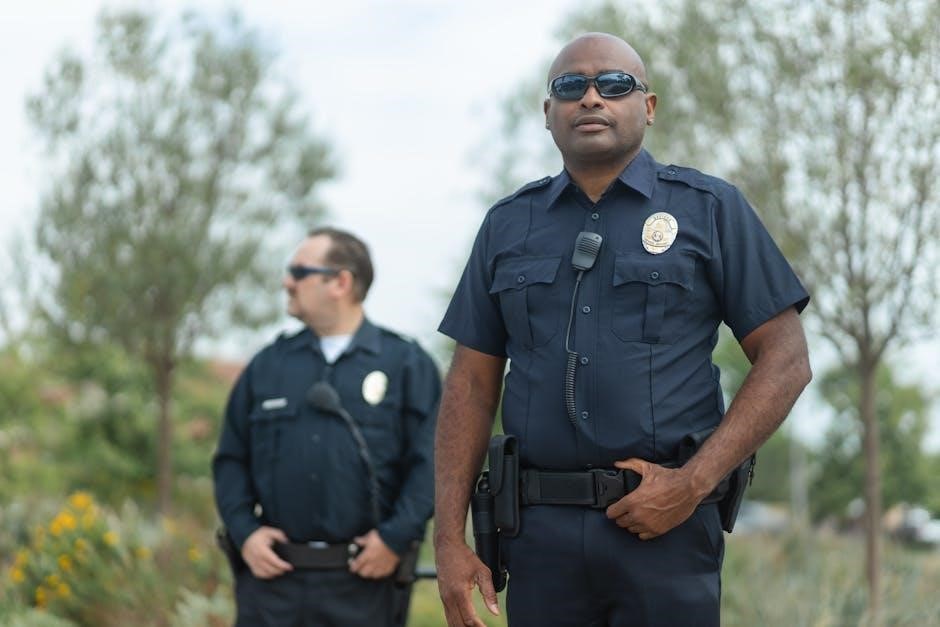
Today is 04/13/2026 21:26:14 (). Effective collaboration with local law enforcement is a cornerstone of security operations. Security officers must understand when to contact authorities and provide clear, concise information regarding incidents.
Maintaining open communication channels and establishing pre-existing relationships can streamline responses during emergencies. Properly documenting all interactions with law enforcement, including names, badge numbers, and details of the situation, is essential for legal and procedural compliance.
IX. Technological Proficiency
Today is 04/13/2026 21:26:14 (). Modern security relies heavily on technology. Officers must demonstrate proficiency in operating and understanding CCTV systems and associated software for effective surveillance.
Competence in managing access control systems, including programming and troubleshooting, is also vital. Familiarity with alarm systems and monitoring platforms, alongside the ability to interpret data and respond appropriately, is crucial for maintaining a secure environment and fulfilling responsibilities.
A. CCTV Systems & Software
Today is 04/13/2026 21:26:14 (). Security officers must expertly operate CCTV systems, understanding camera angles, recording functionalities, and playback procedures. Proficiency in CCTV software is essential for reviewing footage, archiving data, and generating reports.
They should be capable of identifying suspicious activity, documenting observations accurately, and maintaining the system’s integrity. Regular checks of camera functionality and software updates are also key responsibilities, ensuring optimal performance and reliable security coverage.
B. Access Control Systems Management
Today is 04/13/2026 21:26:14 (). Security officers are responsible for managing access control systems, including card readers, keypads, and biometric scanners. This involves granting and revoking access privileges, monitoring system logs for unauthorized entry attempts, and troubleshooting technical issues.
Maintaining accurate records of access permissions and ensuring the system’s security are paramount. Officers must also be adept at responding to access-related emergencies and collaborating with IT personnel for system maintenance and upgrades.
C. Alarm Systems & Monitoring Platforms
Today is 04/13/2026 21:26:14 (). Security officers proficiently operate and monitor alarm systems, utilizing various platforms to detect and respond to security breaches. This includes interpreting alarm signals, verifying their validity, and dispatching appropriate personnel, like law enforcement, when necessary.
Regular testing of alarm functionality and maintaining detailed logs of all alarm events are crucial. Officers must also understand system configurations and collaborate with technical teams for maintenance and upgrades, ensuring optimal performance and reliability.
X. Risk Assessment & Mitigation
Today is 04/13/2026 21:26:14 (). A core duty involves identifying potential security threats through proactive risk assessments. This includes evaluating vulnerabilities in physical security, operational procedures, and technological systems.
Security officers then develop comprehensive security plans and procedures to mitigate identified risks. Implementing these measures – such as enhanced access controls or increased surveillance – is vital. Continuous monitoring and adaptation of these plans are essential to address evolving threats effectively.
A. Identifying Potential Security Threats
Today is 04/13/2026 21:26:14 (). Proactive threat identification is paramount. Security officers must diligently scan for vulnerabilities in all aspects of operations, from physical infrastructure to cybersecurity protocols.
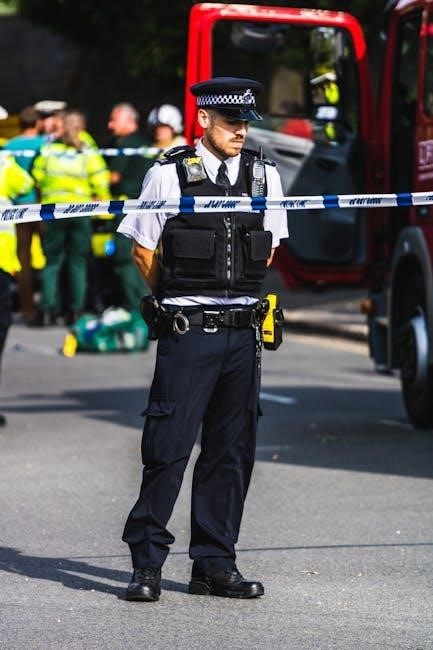
This involves recognizing patterns, analyzing potential attack vectors, and staying informed about emerging threats. Regular assessments, coupled with a keen awareness of the surrounding environment, are crucial. Identifying weaknesses before they are exploited is the primary goal, ensuring a robust security posture.
B. Developing Security Plans & Procedures
Today is 04/13/2026 21:26:14 (). Following threat identification, crafting comprehensive security plans is essential. These plans must outline specific protocols for responding to various scenarios, ensuring a coordinated and effective defense.
Detailed procedures should cover everything from access control and emergency evacuation to incident reporting and data protection. Regular review and updates are vital, adapting to evolving threats and organizational needs. Clear, concise documentation is key for successful implementation and training.
C. Implementing Security Measures
Today is 04/13/2026 21:26:14 (). Successfully enacting security plans requires diligent implementation of chosen measures. This includes deploying and maintaining physical security systems – access controls, surveillance, and alarm systems – alongside robust cybersecurity protocols.
Regular drills and training exercises are crucial to ensure staff preparedness. Consistent monitoring and enforcement of security policies are also paramount. Effective implementation demands collaboration across departments and a commitment to continuous improvement, adapting to emerging vulnerabilities.
XI. Training & Development
Today is 04/13/2026 21:26:14 (). Continuous professional development is vital for security officers. Ongoing training ensures they remain current with evolving threats and best practices. Pursuing certifications like CPP or PSP demonstrates commitment and expertise.
Staying updated on new technologies, legal changes, and security protocols is essential. Regular refresher courses in areas like first aid, CPR, and incident response are also necessary. Investment in training enhances skills and strengthens overall security posture.
A. Ongoing Security Training Requirements

Today is 04/13/2026 21:26:14 (). Security officers must participate in regular, updated training to maintain effectiveness. This includes annual refreshers on emergency procedures, legal compliance, and report writing. Specialized training addresses new technologies and threat landscapes.
Mandatory courses cover topics like de-escalation techniques, active shooter response, and updated first aid/CPR protocols. Documentation of completed training is crucial for compliance and demonstrating professional development. Consistent learning ensures a highly skilled and prepared security team.

B. Professional Certifications (e.g., CPP, PSP)
Today is 04/13/2026 21:26:14 (). Obtaining professional certifications like Certified Protection Professional (CPP) or Physical Security Professional (PSP) demonstrates a commitment to excellence. These credentials validate expertise and enhance career prospects for security officers.
Certification programs require experience, education, and passing rigorous examinations. They cover advanced security management principles, risk assessment, and investigative techniques. Employers often prioritize candidates with these qualifications, recognizing their dedication to professional development and industry best practices.
C. Staying Updated on Security Best Practices
Today is 04/13/2026 21:26:14 (). The security landscape is constantly evolving, demanding continuous learning for security officers. Staying informed about emerging threats, technologies, and regulations is paramount for effective protection.
This involves regularly attending industry webinars, workshops, and conferences. Subscribing to security publications and participating in professional organizations provides access to the latest insights. Proactive knowledge acquisition ensures officers can adapt to new challenges and maintain a robust security posture.