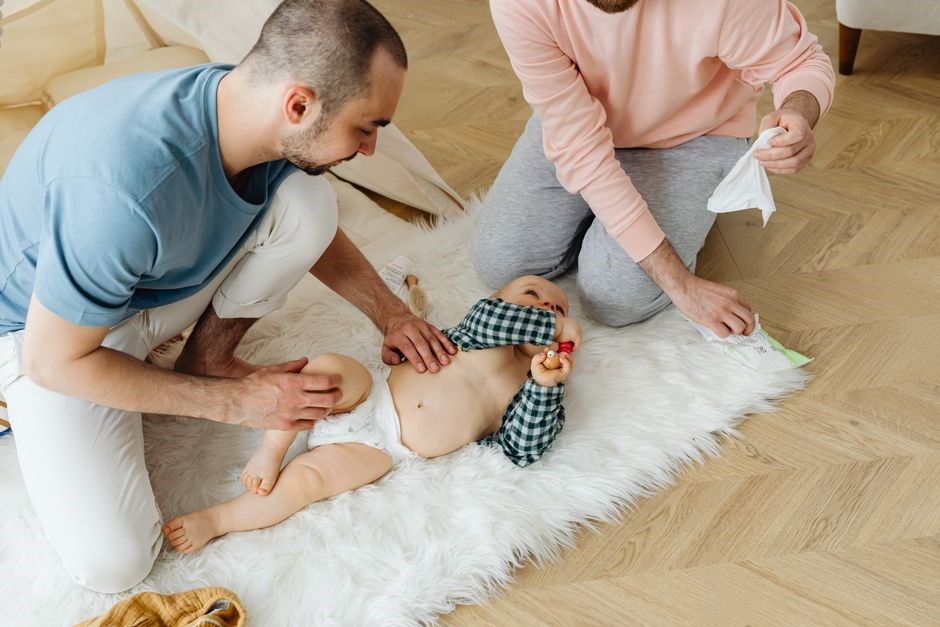
Overview of Diaper Stockpiling
Store diapers in airtight containers to keep them fresh. Rotate stock to avoid waste. Bulk or subscription purchases cut costs, a budget choice for families. daily!!
Keep the stockpile organized by labeling boxes with dates, and store in a cool, dry place to extend shelf life. Regularly check for leaks and replace soiled diapers promptly.
Key Benefits of Having a Diaper Stockpile
Maintaining a well‑managed diaper reserve offers several practical advantages that can ease daily routines and reduce long‑term expenses. By keeping a ready supply of both cloth and disposable options, parents can respond instantly to unexpected diaper changes, avoiding last‑minute trips to the store. This immediacy is especially valuable during travel, late‑night feedings, or when a child’s schedule shifts abruptly.

- Cost savings: Bulk purchasing and subscription services lower unit prices, and a larger inventory spreads the cost of occasional replacements over many uses.
- Convenience: A pre‑organized stockpile means fewer interruptions for shopping, allowing caregivers to focus on bonding and play.
- Reduced waste: Regular rotation of diapers keeps them within their optimal shelf life, preventing spoilage and unnecessary disposal.
- Emergency preparedness: In case of power outages, natural disasters, or supply chain disruptions, a stocked supply ensures continuity of care.
- Health protection: Fresh, properly stored diapers help prevent skin irritation and infections that arise from damp or expired products.
In addition, a stockpile supports sustainable practices by reducing the frequency of single‑use diaper purchases, which in turn lessens packaging waste. Parents can also experiment with different brands and sizes without the pressure of immediate replacement, ensuring a better fit and comfort for their child. A well‑maintained inventory also serves as a safety net for parents who travel abroad, where specific diaper types may not be readily available.
Moreover, a diaper reserve encourages mindful consumption. Caregivers can track usage patterns, identify peak times, and adjust purchasing habits accordingly. This leads to more efficient budgeting and a clearer understanding of a child’s needs. Finally, the peace of mind that comes from knowing you are prepared for any diaper emergency cannot be overstated.
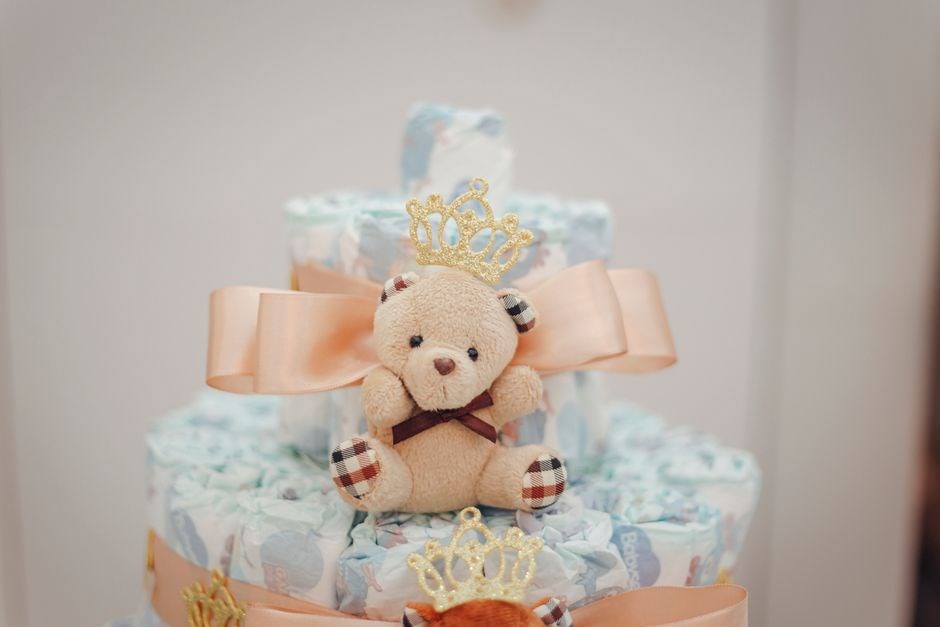
Types of Diapers to Stockpile
Choose a mix of cloth and disposable diapers to suit different situations. Cloth offers eco‑friendly reuse, while disposables provide convenience and quick changes. Keep sizes varied, and store in labeled, airtight containers to maintain freshness and avoid waste.
Disposable vs Cloth Diapers: Pros and Cons
Disposable diapers are lightweight, absorb quickly, and are convenient for on‑the‑go use. Their single‑use design eliminates washing, but they generate waste and can be costly over time. They often contain synthetic materials that may irritate sensitive skin if not changed promptly, and some parents report a higher risk of diaper rash due to less breathable fabrics.
Cloth diapers, on the other hand, are reusable and can reduce long‑term expenses. They are made from natural fibers or breathable blends, which can lower the likelihood of skin irritation. However, they require regular laundering, which adds water, detergent, and energy usage. Cloth diapers also need a larger initial investment and careful sizing to avoid leaks.
When building a stockpile, consider your lifestyle: frequent travel or unpredictable schedules favor disposables, while a stable home environment with access to laundry facilities benefits cloth usage. Balancing both types can provide flexibility, ensuring that you have the right diaper for any situation while managing cost, convenience, and environmental impact.
Store diapers in a cool, dry area away from direct sunlight to preserve absorbent materials. Label each box with purchase and expiration dates. Cloth diapers should be washed in hot water with mild detergent; disposables benefit from breathable layers or hypoallergenic coatings to reduce irritation. Regularly review inventory to avoid overstocking and adjust purchases.
Stay prepared cut costs month!
Determining Your Stockpile Needs
Calculate daily diaper use, multiply by days to cover, add buffer. Track growth stages, consider travel, and seasonal changes. Use a spreadsheet or app to log usage, then order accordingly. Keep inventory updated. Plan for emergencies and seasonal spikes daily use.!!
Calculating Daily Diaper Usage and Total Requirements
Start by determining how many diapers your baby uses each day. Newborns typically need 10–12 diapers daily, while toddlers average 4–6. Record the exact count for a week to capture variations. Multiply the weekly total by the number of weeks you wish to stockpile, adding a 10–15% safety margin for unexpected changes or growth spurts. For example, a newborn using 11 diapers per day over 30 days requires 330 diapers; adding 15% yields 380. Adjust the calculation for each child’s age, feeding schedule, and any medical conditions that may increase usage. Keep a log in a spreadsheet or a simple notebook, updating it monthly. This method ensures you maintain an adequate supply without overbuying, reducing waste and storage costs while keeping your little one comfortable and healthy.
Tracking expiry dates is essential; store diapers in a system that highlights the oldest stock first. Use a color‑coded label or spreadsheet column to mark purchase dates and expected shelf life. Rotate stock weekly, placing newer items behind older ones, discarding any that have passed expiry or show moisture or mold. For families with multiple children, keep separate bins to avoid cross‑contamination. Consider reusable cloth diapers for long‑term cost savings, while disposable options suit convenience and hygiene. Plan bulk purchases around seasonal spikes, such as summer travel or a new baby’s arrival, to maintain adequate supply without overstocking. Keep a simple log of usage trends; this data refines future calculations and keeps your diaper supply efficient and cost‑effective!!!!!!

Recommended Storage Solutions
Use sturdy, airtight containers to keep diapers dry and odor‑free. Store them in a cool, dark pantry or closet, away from heat and humidity. Label each box with purchase and expiry dates, and stack them in a dedicated shelf to simplify rotation and prevent spills.
Add a moisture packet to each box now!!

Organizing Your Diaper Supply with Airtight Containers
Choosing the right airtight storage preserves diaper quality and extends shelf life. Polyethylene or plastic containers with snap‑on lids prevent moisture, dust, and odors. A 2‑liter box holds about 200 diapers; a 5‑liter unit holds up to 500. Label each box with purchase date, batch, and expiry using waterproof markers. This first‑in system keeps older stock used first, reducing waste. Stack containers on a shelf or in a closet kept between 60°F and 70°F (15°C–21°C). Avoid heat sources, direct sunlight, or damp areas, as temperature swings can compromise absorbency. Add a desiccant packet or silica gel pack to each box; replace every six months. Organizing by diaper type—disposable, cloth, or specialty—streamlines changes and inventory checks. Color‑code boxes: blue for newborns, green for toddlers, yellow for adults. This visual speeds retrieval and reduces the risk of using the wrong size. Schedule a quarterly audit: verify dates, check for damage or leakage, and rotate stock. By combining airtight containers, proper labeling, temperature control, and systematic rotation, you create a reliable, efficient diaper storage solution that keeps your supply fresh and ready for use whenever needed!!
For space, use stackable containers with lids or a tiered shelf. A collapsible container that folds flat when not in use saves space for travel or homes. Keep a backup supply in a separate location, like a car or house, to avoid running out emergencies now!!!

Shelf Life and Expiry Management
Diapers retain quality for 2–3 years if stored dry. Check manufacturer dates, rotate stock, and discard any with tears or odors. Use a calendar or app to track expiry, and replace older units first. Keep containers sealed and in a cool, dark spot to slow degradation. Store in a sealed box and check monthly!
Tracking Expiry Dates and Rotating Stock
To keep a diaper stockpile fresh, implement a systematic expiry‑tracking routine. Label each container with the purchase date and the manufacturer’s recommended shelf life, typically 2–3 years for most disposable brands; Store the labeled boxes in a cool, dry area, away from direct sunlight and extreme temperatures, as heat and humidity accelerate degradation. Use a simple spreadsheet or a mobile app to log each batch’s expiration date; set calendar reminders to review the list every month. When a month passes, inspect the oldest boxes first—look for tears, stiffening, or off‑odors that signal compromised absorbency. Rotate the stock by moving newer diapers to the front and older ones to the back, ensuring the first‑in‑first‑out principle is followed. If you notice any diapers that have reached or surpassed their expiry date, discard them immediately to avoid skin irritation for the wearer. For cloth diapers, follow a similar process but also consider washing cycles; keep a log of wash dates and replace any that show signs of wear. By maintaining a clear visual record and adhering to a strict rotation schedule, you reduce waste, preserve diaper performance, and maintain hygiene throughout the lifespan of your stockpile.
A practical tool is a simple ledger or a digital app that flags when a batch is nearing its limit. Keep the ledger in a visible spot, update it after each purchase, and set a monthly reminder to check for damaged or stiff diapers. This habit ensures you never runout unexpectedly
Bulk Purchasing Tips
Buy in bulk to lower unit cost, but avoid overbuying. Compare wholesale sites, read reviews, and check return policies. Use subscription services for regular deliveries, and always verify expiration dates before adding to your stockpile. Keep inventory organized to prevent waste. Save!!
Using Wholesale Marketplaces and Subscription Services
When building a diaper stockpile, leveraging wholesale marketplaces and subscription services can significantly reduce costs and streamline replenishment. Start by researching reputable bulk suppliers that offer competitive pricing for large orders; many online platforms provide unit prices, bulk discounts, and shipping estimates. Compare at least three vendors to ensure you’re getting the best deal, and read customer reviews for reliability and product quality. Once you’ve identified a trustworthy source, place a test order to confirm packaging integrity and expiration dates. For ongoing needs, consider a subscription model: many retailers offer auto‑ship options that deliver diapers at set intervals—weekly, bi‑weekly, or monthly—based on your calculated usage. Subscription services often provide perks such as free shipping or the ability to pause or cancel orders without penalty. To maximize savings, combine bulk purchases with subscriptions: buy a large quantity during a sale, then set up a subscription to top up when stock runs low. This hybrid approach keeps inventory fresh while locking in lower prices. Always verify the expiration dates on each batch before adding it to your storage. Use a labeling system—date stamps—to track when each box was purchased and when it should be used. Store the diapers in a cool, dry place, preferably in airtight containers, to preserve absorbency. Finally, monitor your consumption rate; if usage spikes or drops, adjust subscription frequency or bulk order size accordingly. By integrating wholesale marketplaces with subscription services, you maintain a steady supply, reduce waste, and keep your diaper budget under control! This plan saves money!

Budgeting for Your Stockpile
Calculate daily diaper usage, multiply by weeks, then factor in bulk discounts. Track expenses with a spreadsheet, noting unit cost, shipping, and storage. Compare one‑time bulk buys versus subscription plans; bulk often saves 15–20%. Adjust budget quarterly based on actual consumption. Plan for seasonal price shifts!!
Cost Comparison and Savings Over Time
A well‑managed stockpile that rotates stock and uses a mix of disposables for emergencies and cloth for routine use can reduce overall diaper expenses by 20–30% over five years. This approach cuts waste fees and keeps fresh diapers handy, preventing skin irritation and keeping child comfortable!